Gain from Precision: The Advantages of Trade Applications
In the fast-paced world of trading, staying on top of the competition requires not just expertise and insight, but also the appropriate tools. Trading software has come forth as a game changer, providing traders with the accuracy and proficiency needed to steer through complex market dynamics. By utilizing cutting-edge technology, traders can scrutinize vast amounts of data, place orders with quickness, and oversee their portfolios efficiently. tradesoft.es of these software tools go beyond mere usability, offering a strategic advantage that can dramatically affect overall earnings.
Putting resources in a dependable trading system can lead to enhanced decision quality, as it offers live insights and data analysis that human intuition alone cannot match. With features such as algorithmic trading, historical performance analysis, and customizable alerts, traders can create a structured approach to trading. This shift towards mechanization not only minimizes emotional trading decisions but also allows for more concentration on strategic planning. As more traders recognize the value of incorporating trading software into their routines, it becomes evident that those who gain from accuracy will likely lead the markets.
Understanding Trading Frameworks
A trading system is a detailed framework that establishes a set of guidelines and tactics for making trade choices. It includes aspects such as buying and selling points, risk control, and market analysis. By adhering to a systematic approach, market participants can eliminate emotional influences and take more informed decisions based on data-driven insights. This method is vital for navigating the challenges of the financial world, where volatility can happen rapidly.
Many trading frameworks employ automated tools that facilitate the process of analyzing market trends and carrying out transactions. These tools can analyze vast amounts of data far more quickly than people, spotting trends and opportunities that may otherwise go unnoticed. By adopting algorithms, traders can improve their strategies, simulate different situations, and adjust their approaches based on past results. This mechanization not only improves accuracy but also conserves valuable time and effort.
Moreover, these frameworks provide a structured methodology for risk management. By explicitly setting parameters for risk exposure, trade sizing, and diversification, investors can safeguard their investments while chasing their investment objectives. This framework fosters a more resilient trading plan, allowing market participants to withstand market swings without succumbing to anxiety or impulsive decisions. Ultimately, a effectively structured trading system is a key resource for anyone looking to prosper in the financial markets.
Key Features of Trading Software
Trading platforms offers a variety of functions that boost the trading process and increase results. One of the primary aspects is live market assessment, which gives traders access to current data on market fluctuations and price variations. This allows for swift decision-making, allowing investors to capitalize on opportunities as they arise. With advanced algorithms, the platform can analyze extensive amounts of data, providing users with analytics that would be challenging to gather by hand.
Another, crucial feature is self-operating trading features. This function allows traders to set defined parameters for their trades, enabling the software to execute buy and sell orders on its own based on pre-defined criteria. This not only saves time but also helps minimize emotional decision-making, which can lead to expensive mistakes. Automatic trading systems can operate around the clock, ensuring that trades are executed even when the trader is not available to monitor the exchanges.
Finally, risk management tools are a critical aspect of trading software. These tools enable traders to establish stop-loss orders and take-profit levels to protect their capital. By managing risk well, investors can reduce potential losses while increasing their profit capability. The integration of these tools ensures that users can develop a robust trading strategy that aligns with their risk tolerance, ultimately leading to increased consistent trading performance.
Benefits of Automation in Financial Trading
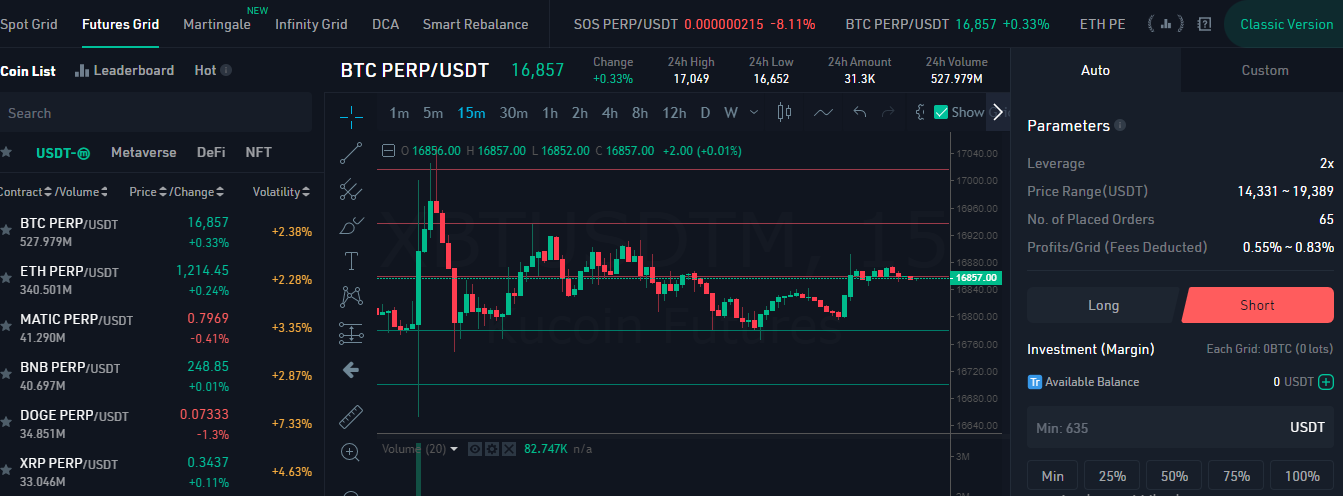
Automation in trading systems offers many advantages that significantly enhance the experience of trading. One of the primary benefits is the capability to execute trades instantly at the set parameters. This speed allows traders to capitalize on market opportunities without the hesitation that often accompanies manual trading. By removing the emotional component from decisions, automated systems help maintain self-discipline and uniformity, which are crucial for success over time in unstable markets.
A further key benefit of trading automation is the capacity to analyze vast amounts of data far faster than a person can. These trading systems utilize advanced algorithms that can handle live market data, identify potential trends, and perform trades based on thorough analysis. This structured approach not only helps in identifying lucrative trading opportunities but also mitigates risks by adhering to established strategies without being swayed by emotional influences or market fluctuations.
In addition, automation frees up valuable hours for traders. Instead of spending hours watching the markets and making trades, individuals can focus on strategy development or other aspects of their lives. The efficiency gained through trading software means that market analysis can be done in the background while automated systems handle execution. This allows for a more balanced approach to trading, where one can engage with the markets at a comfortable speed while still taking benefit of their potential.